A Complete Guide to EN 10224 Steel Pipes and Their Properties
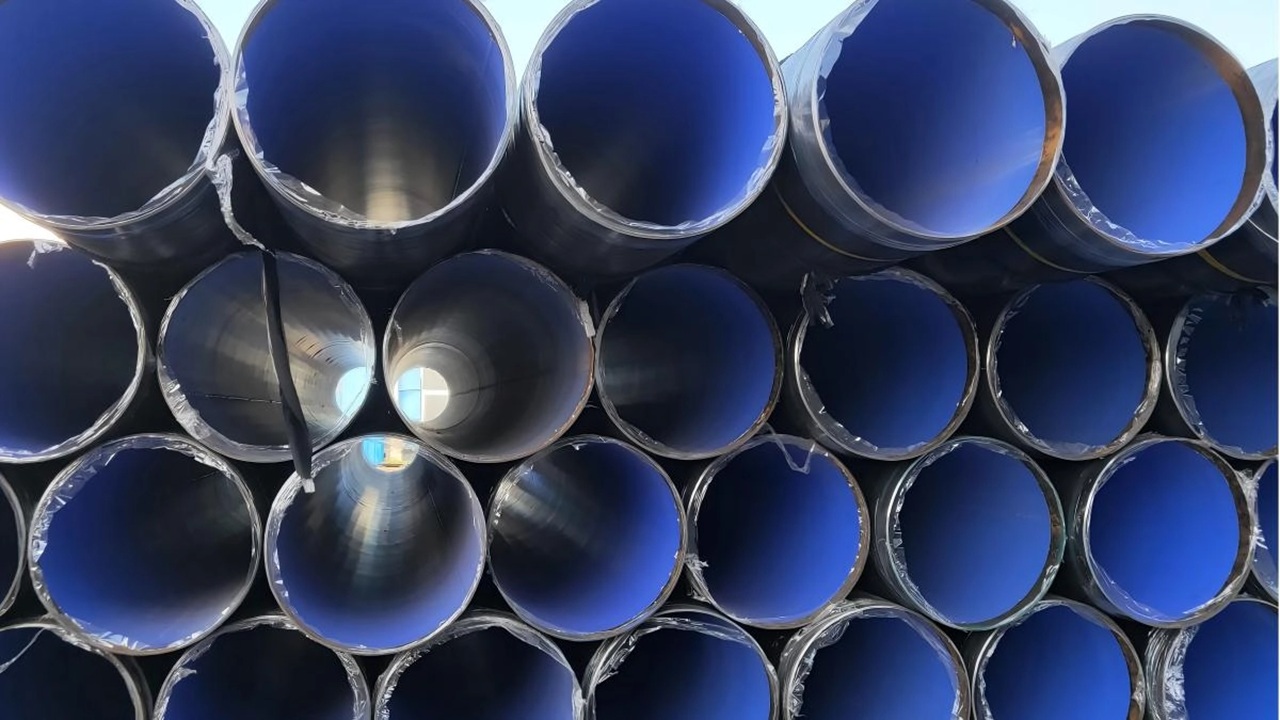
Steel pipes that fall under the EN 10224 standard are used in components of systems for the transport of water and other non-corrosive liquids. They are identified by a European standard that prescribes certain rules on their strength, size, and material composition. These pipes seek to perform in real-world conditions where reliability is more important than complexity. It is a reference standard for consistency between various production batches in many supply chains, including those controlled by UNIACERO. To understand EN 10224 steel pipes, examine their manufacturing, composition, and performance.
What does EN 10224 mean?
EN 10224 is a European standard for steel pipes, with its main application in water systems. It establishes limits on chemical concentration, strength, and production quality. The aim is to make the pipes from various producers predictable. This enables engineers to develop systems without having to deal with fundamental material differences.
Basic pipe structure
These pipes are typically manufactured in a round configuration and by either welded or seamless techniques. The structure is very simple: a hollow steel tube for transporting the fluid. Although the shape is very simple, the quality of the interior relies on the careful monitoring of production processes. UNIACERO follows these defined rules to ensure that pipes meet expected dimensional and mechanical limits before they are shipped.
Steel grades used
EN 10224 pipes come in different grades, usually L235, L275, and L355. Each has a different level of strength. Lower grades are easier to form, while higher grades provide more resistance to stress. The choice of grade depends on the load or pressure the pipe system will experience during use.
Chemical composition role
The chemical makeup of the steel affects how the pipe performs. Elements like carbon, manganese, and silicon are controlled within specific limits. These elements influence strength and flexibility. If the composition is not controlled, the pipe may become too brittle or too soft for safe use. In the supply documentation provided through UNIACERO, these values are always listed to help confirm compliance with EN 10224 rules.
Mechanical strength behavior
Mechanical properties describe how the pipe responds to applied forces. This includes tensile strength and yield strength. Tensile strength shows how much pulling force the pipe can handle before breaking. Yield strength shows when permanent bending begins. These values are important because they define safe working limits in real systems.
Size and diameter range
The EN 10224 pipe is available in various sizes for diameter and wall thickness. Pipes having smaller diameters are installed in systems where compactness is required, whereas large pipes can be used to accommodate more fluid flow. The specification does not restrict the size to any fixed value.
Wall thickness selection
Wall thickness is linked to pressure and pipe size. Thicker walls provide more resistance but also increase weight. Engineers choose thickness based on system needs. Too thin a wall risks failure, while unnecessary thickness adds cost and effort.
Manufacturing methods
These pipes can be produced using welded or seamless methods. Welded pipes are formed by joining steel sheets, while seamless pipes are made from solid billets. Each method has its own use case. Welded pipes are common in general systems, while seamless pipes are used in applications where greater uniformity is required.
Surface protection options
To make them more durable, pipes can be covered by certain protective materials such as coating, lubrication, or galvanization. The type of coating depends on environmental exposure. Pipes used in wet or outdoor conditions often require stronger protection layers.
Pressure and usage limits
EN 10224 tubes are robust but are mainly used in applications involving the conveyance of water or similar fluids, not in high-pressure or high-temperature environments. Understanding this limitation is critical during material selection. The incorrect pipe type will result in premature system failure or inefficiency.
Inspection and testing
Pipes are strength-tested, sized, dimensioned, and surface-quality checked before delivery. These tests are used to ensure that each batch meets standards. Testing also minimizes variation across production runs. If this is not done, the system may experience inconsistencies after being installed.
Practical applications
These pipes are typically employed in water supply systems, distribution networks, and overall infrastructure systems. They are well-balanced in terms of strength and price, making them suitable for large-scale application. In projects handled through UNIACERO, EN 10224 pipes are often selected for systems where steady flow and long service life are more important than extreme pressure handling.
Conclusion
EN 10224 specifies the chemical, mechanical, and dimensional properties of steel. These rules ensure that pipes from different sources perform consistently. Their use is focused on water and general fluid systems where stability is more important than high-pressure capacity. When selected correctly, they provide a reliable option for long-term infrastructure use without unnecessary complexity.