Benefits of Using External Panel WiFi Antennas for Outdoor Routers
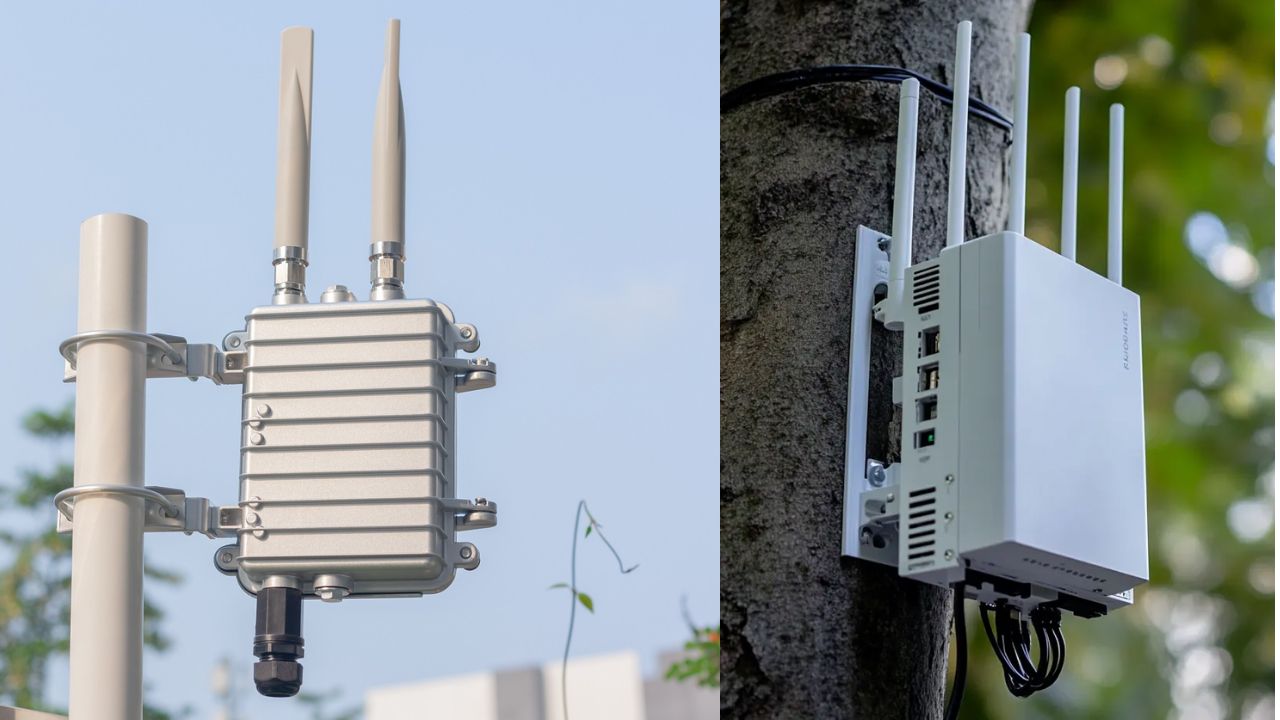
Modern wireless communication. In more recent times, the topic of outdoor wireless connectivity has become a dominant concern in residential and commercial wireless access. Outdoor routers are popularly used with external panel WiFi antennas in order to enhance signal strength, increase coverage, and maintain reliable connections. The outdoor wifi antennas are developed to perform well in an open field, where internal router antennas can perform poorly. Businesses such as BAT Wireless are still in the process of designing innovative panel antenna products that address the increasing need for reliable outdoor network products.
Improved Signal Strength and Stability
Another of the greatest advantages of using external panel WiFi antennas is that it enhances the signal strength. In contrast to built-in antennas, panel antennas are constructed in such a way that the wireless signals are focused and directed towards a particular area. This directional feature enables the antenna to provide more stable and stronger signals at longer distances. This has led to outdoor routers that use these antennas and are able to maintain a good connection in areas such as open fields, a construction site, or even in a large sprawling campus.
Extended Coverage Range
External panel antennas especially prove to be of great use in extending the WiFi range beyond what the standard routers can offer. They are able to penetrate areas that would otherwise enjoy poor or no connectivity by concentrating the signal in a targeted direction. This makes them ideal in applications like linking more than one building, serving the internet in rural areas, or covering a large outdoor area like a farm or a warehouse. Ease of increasing coverage eliminates the necessity of other networking gadgets, and it is cost-effective.
Enhanced Performance in Dual-Band Networks
A substantial number of external panel WiFi-capable antennas support both 5GHz and 2.4GHz frequencies, and thus can be used effectively to work in dual-band networks. The 2.4GHz band provides greater coverage and penetration through obstacles, and the 5GHz band offers higher data transmission speeds as well as lower interference. The antennas are able to support both frequencies, thereby ensuring a balanced performance, which has been able to support the different connectivity requirements. Such dual-band support is particularly useful with outdoor routers that need to support a variety of devices and differing usage conditions.
Reduced Interference and Noise
Some of the challenges that outdoor environments may have include signal interference by other wireless devices or a natural barrier. External panel antennas can be used to reduce these problems by making the signal flow in a specific direction instead of being emitted in all directions. Such a directed transmission minimizes interference caused by undesirable acts and enhances the general productivity of the network. Consequently, users enjoy fewer disruptions, enhanced transmission of data, and more trusted connections.
Flexibility in Installation and Positioning
The other benefit of WiFi outdoor panel antennas is the fact that the manufacturing of the device is flexible and may be installed anywhere. These antennas can be put on walls, poles, or rooftops; thus, the user can position them in the best possible locations. The appropriate placement is so that the target area has a clear view of the antenna, which greatly improves the quality of the signal. The fact that the antenna can be changed to align with changes in network requirements or changes in the environment makes it easier to change with changing network requirements or changing environmental conditions.
Durability for Outdoor Conditions
Outside panel antennas are made in a specific manner to eliminate the harsh conditions of the outside environment. They are normally made using waterproof materials that safeguard them against rain, heat, wind, and dust. This holding makes sure that the performance is guaranteed longer without requiring frequent replacement and maintenance. In these industries in which constant connectivity is mandatory, like in agriculture, security, and transportation, there must be a reliable outdoor antenna.
Cost-Effective Networking Solution
Expenditure on external panel WiFi antennas may achieve a considerable saving in the long run. These antennas will improve the signal strength, as well as their coverage, thus reducing the number of extra routers, repeaters, or complicated network configurations. They also assist in reducing downtime and connectivity problems, which can be expensive for companies. They hence offer a feasible and effective remedy in the quest to improve outdoor wireless networks.
Conclusion
Outdoor routers may have many advantages using external panel WiFi antennas, which makes it an interesting part of present-day networking systems. Better signal strength, enhanced coverage, minimized interference, and long life are only some of the attributes that these antennas hold over the outdoor connectivity challenges. Their capability to achieve dual-band functionality and versatile placement contributes to their efficacy further. With the continued development of wireless communication, external panel antennas will be a primary solution to the realization of a reliable and high-performance outdoor network.