B, C, and D Curves in HUYU Electric 30 Amp Breaker Applications
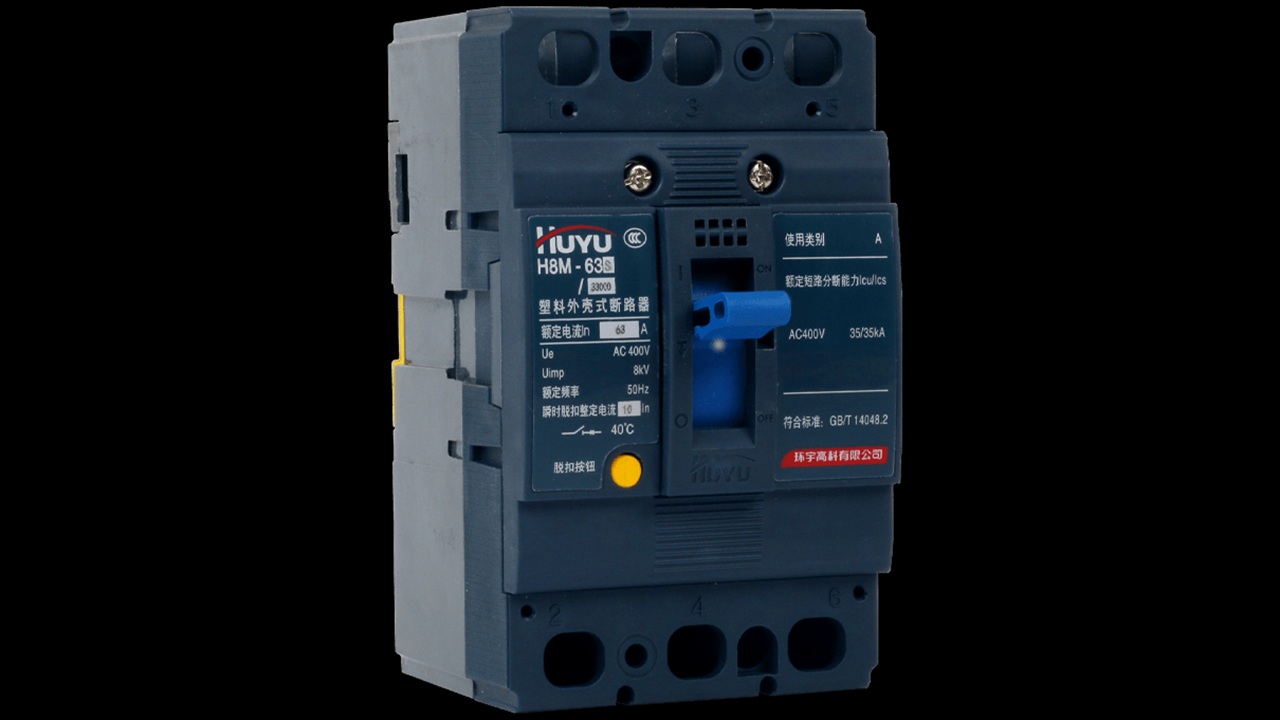
Circuit breakers help keep electrical systems safe from damage and fire. A 30 amp breaker is used where medium power loads are common. These breakers can trip in different ways based on their design. The trip style is shown by letters called B, C, and D curves. Each curve tells how fast the breaker reacts to high current. The distinction is important since machines and buildings consume power differently. There are those devices that just attract a bit of additional current at startup time, and those that attract a lot. Selecting the right curve can be used to prevent undesired power failures when the appliance is in normal operation. It also helps stop dangerous faults quickly when real problems happen. Understanding these curves makes electrical safety easier to understand for everyone.
What Trip Curves Mean
A trip curve shows how a breaker reacts when the current rises above normal. The breaker would not switch off at a constant rate. Large faults are triggered within a short period, but small faults take a long time to be triggered. The curve letter explains how much extra current is allowed briefly. A 30-amp breaker is rated to carry 30 amps safely. Once the current surges well beyond this amount, then the breaker has to take action. The curve is what determines the amount of additional current that is temporarily accepted.
B Curve in 30 Amp Breaker Use
A B curve breaker is tripped in a current of approximately three to five times its current rating. In the case of a 30-amp breaker, this is approximately between 90 and 150 amps. This curve reacts quickly compared with other curve types. It is often used in homes and light-duty buildings. Lighting circuits and simple outlets usually do not need a high starting current. If a fault happens, the breaker shuts off power fast. Fast action reduces the chance of wire damage or fire. B curve breakers suit places where power use is steady and smooth. They are good for systems without heavy motors or large machines.
C Curve in 30 Amp Breaker Use
A C curve breaker trips at approximately five to ten times its nominal. In the case of a 30-amp breaker, it is approximately 150-300 amps. This curve allows more starting current than the B curve type. Many commercial buildings use machines that draw extra current at startup. Small motors, pumps, and air systems can cause short bursts of high current. A C curve breaker handles these bursts without tripping too soon. At the same time, it still protects wires from serious faults. This makes the C curve common in shops, offices, and light industry. It offers a balance between fast safety action and normal machine needs.
D Curve in 30 Amp Breaker Use
A D curve breaker trips at about ten to fourteen times its rating. For a 30-amp breaker, this means around 300 to 420 amps. This type is made for equipment that pulls a large startup current. Heavy motors, lifts, and some industrial tools behave this way. When these machines start, the current rises very high for a short moment. A B or C curve breaker might trip during this normal startup. The D curve avoids this problem by allowing the short surge. It still turns power off fast during real short circuits. This curve is common in factories and heavy-duty systems.
Why Different Curves Are Important
Electrical systems are not all the same in how they use power. Homes, shops, and factories each have different kinds of loads. Using the wrong curve can cause trouble in daily operation. If the curve is too sensitive, machines may stop for no real reason. If it is not sensitive enough, wires could overheat during faults. The right curve helps keep systems both safe and reliable. It allows normal current surges while still guarding against danger. This choice supports the smooth running of lights, motors, and equipment.
How Curves Work with Breaker Ratings
The curve letter works together with other breaker features. A 30-amp breaker may have breaking capacities like 6kA or 10kA. This number shows how large a fault current it can stop safely. The breaker can also come in one, two, three, or four poles. Poles relate to how many lines are protected at once. Even with these features, the curve still controls trip speed. Together, these details help match the breaker to its job.
Conclusion
B, C, and D curves describe how a breaker reacts to extra current. In 30-amp breakers, these curves help match protection to real needs. B curves suit light loads with little startup surge. C curves handle small motors and general commercial equipment. D curves support heavy machines with high starting current. Choosing the correct curve reduces false trips and improves safety. These trip styles help electrical systems work smoothly in many places. Understanding them makes power protection clearer and easier to manage.