
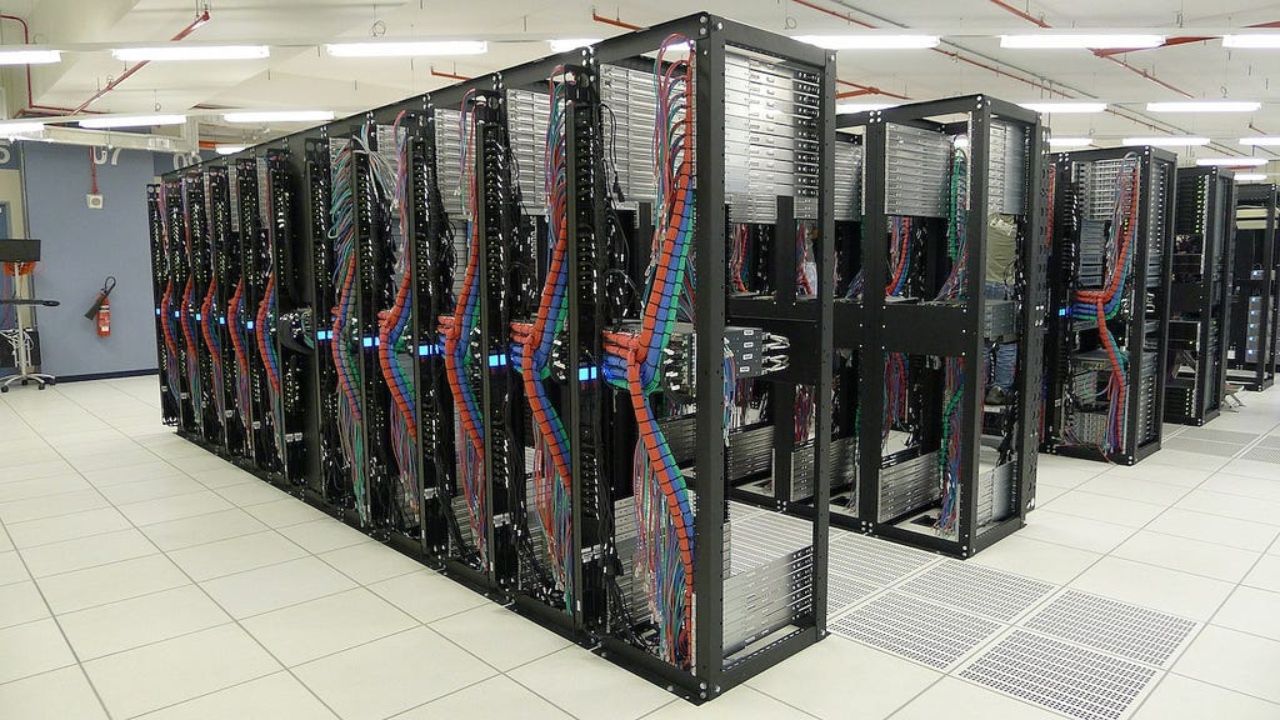
One of the most important decisions of data center design or upgrade is the selection of the right server rack. Server Rack Manufacturers do not just provide a storage frame of IT equipment, as it is one of the fundamental aspects that define cooling efficacies, cable management, scalability, and the dependability of the system. The choice of the right rack should be made with much care regarding the technical requirements, space, and long-term operational goals. With the understanding of the basic issues, organizations can maintain their infrastructure stable, secure, and flexible.
Understanding Equipment Requirements
The initial step in selecting the appropriate server rack is determining the type and the number of equipment that is going to be installed. Servers, switches, patch panels, and power distribution units come in different sizes, masses, and mounting options. The majority of data center equipment is standardized regarding the dimensions of the rack, but depth and weight may vary dramatically.
Proper inventory of the existing and intended equipment can be used to decide on the correct height of the rack, its width, and its depth. The height of racks is usually measured using rack units and by determining adequate rack units; one is guaranteed that a sufficient space has been provided to accommodate the current equipment and even the addition of additional equipment in the future. The depth of equipment should be thought over to prevent clearance problems, particularly in high-performance servers, which may need more space to cool and connect cables.
Evaluating Load Capacity and Structural Strength
A very important consideration is load capacity when choosing a server rack. The contemporary data centers are likely to implement high-density servers and storage systems that introduce significant weight load on the racks. Structural stability is achieved by selecting a rack with confirmed and tested load ratings that are static and dynamically rated.
Structural integrity is of particular significance in those environments where racks may have to be moved or even increased. The principles of reinforced frames, a firm base, and adjustable mounting rails will help increase the overall strength and flexibility. A rack with adequate load capacity will ensure that those problems that could affect the operations’ efficiency, like frame deformation and misalignment of equipment, are avoided in the long run.
Considering Cooling and Airflow Management
To ensure maximum performance of servers and avoid overheating, it is necessary to cool the servers efficiently. Airflow patterns in the data center directly depend on the design of the server rack. The establishment of perforated front and rear doors facilitates the process of ventilation into the building through the entry of cool air and outflow of hot air.
Organizations ought to look into the compatibility of the rack with the already existing cooling mechanisms, such as hot aisle and cold aisle containment. Management of airflow also entails a reduction in the obstruction of cables. The choice of a rack with well-planned cable paths and ventilation capabilities contributes to energy savings and minimizes the load on the cooling systems. A properly ventilated rack will lead to increased life of equipment and reduced costs of operation.
Prioritizing Security and Accessibility
Physical security is a key factor in any data center setting. Racks of servers are supposed to have a locking facility to avoid unwarranted access. The side panels and doors should be robust enough to protect the sensitive equipment but still easy to access by the authorized personnel to perform maintenance.
Security measures should not affect accessibility. The equipment can be mounted on removable panels and adjustable mounting rails. A moderate strategy in security and convenience will guarantee that the rack is operational in safety and efficiency.
Planning for Scalability and Future Growth
Technology changes at a very high rate, and the data center should be dynamic to meet the needs. The choice of a server rack considering scalability is good to prevent expensive replacement in the future. Modularity and interoperability with external devices mean that the capacity can be increased without significant structural adjustments.
The design of more power distribution units, cable management units, and high-density equipment promotion will lead to the relevance of the rack system as the needs increase. Long-term sustainability and continuity of operations are backed by selection in the future.
Conclusion
When it comes to selecting the server rack to install in a data center, it is more than a random choice of the standard enclosure. It involves giving keen attention to equipment specification, load capacity, cooling efficiency, cable handling, space, security, and scalability. When all these factors are considered together, organizations will be able to invest in a server rack solution that will provide better performance, expansion in the future, and reliable infrastructure in the coming years.
